
Submit an event in the USA: a practical tech guide
A clear, checklist-style guide for tech readers on submitting events in the USA, with steps, options, pitfalls, and practical tips.

This guide helps tech readers understand how to submit an event in the USA, with practical steps and a clear path from idea to listing. You’ll learn what to prepare, where to post, and how to optimize the listing for visibility in tech circles.
Expect concrete actions: confirm venue and date, tailor event details for a tech audience, and choose the right platforms. The goal is to make your event easy to discover by developers, researchers, and early adopters who attend tech gatherings.
Across the steps, you’ll find cautions about timing, accuracy, and platform rules so your event stays compliant and attracts the right attendees.
- This guide outlines a practical, step-by-step approach to submitting a tech event listing in the USA, with a focus on accuracy, visibility, and compliance.
- It covers preparing details, choosing platforms, and crafting descriptions that resonate with a tech audience.
- Readers will learn to avoid common mistakes, leverage partnerships, and manage post-launch activity for better turnout.
Basics you should confirm
Event details checklist
Start with a precise event title, date, time, and location. Include duration, format (in person or virtual), and whether registration is required. Draft a short description that highlights the tech focus and the audience. submit an event in the USA
Prepare a concise agenda or keynote topics so readers know what to expect. Include any required tickets, caps on attendance, and accessibility notes to remove barriers for attendees.
Double-check time zones if you have remote speakers or audiences in different regions. Ensure dates align with calendar holidays and venue constraints to avoid conflicts.
- Clear title, date, time, location
- Registration required or free
- Accessibility notes and time zone checks
Platform choices overview
Identify platforms that tech audiences frequent, such as developer portals, university calendars, and local tech hubs. Prioritize sites that support event-rich descriptions and code-friendly tags.
Check each platform’s rules for image sizes, hashtags, and ticket links. Some sites favor long-form descriptions; others prefer concise bullet points with a strong CTA.
Estimate the time to post and monitor responses. A delayed reply can reduce early registrations and interest.
- Developer portals
- University calendars
- Tech hub listings
How to craft the listing

Effective event description
Lead with the tech value: what will attendees learn or build? Mention speakers or topics clearly. Use concrete outcomes instead of broad promises. A useful resource on this topic: USA news.
Provide a one-paragraph overview and a bullet list of takeaways. Include credentials of speakers if relevant and any hands-on demos that appeal to practitioners.
End with a direct registration link and a note on eligibility or prerequisites so readers know what to prepare.
- Clear value proposition
- Speaker credentials and topics
- Direct registration link
Visuals and media tips
Add a header image that conveys the event’s tech focus, plus a simple poster for social sharing. Ensure images are accessible with alt text.
Include a short video teaser or slide deck if allowed, and verify file formats meet platform specs.
Verify branding consistency across your event page, emails, and social posts to reinforce recognition.
Options for visibility
Targeted promotion paths
Use niche tech newsletters, local meetups, and university groups to reach a relevant audience. Tailor the copy to fit each channel’s tone while preserving core details. A useful resource on this topic: promote your business in the USA.
Consider cross-posting on professional networks and industry forums where practitioners discuss toolchains and case studies.
Track performance metrics like clicks and registrations to adjust copy or timing for future listings.
- Newsletters
- Meetups and forums
- Cross-posting and analytics
| Method | Pros | Cons |
|---|---|---|
| Targeted promotion | High relevance for attendees | Requires coordination with partners |
| Cross-posting | Broader reach | Can dilute message if not tailored |
| Analytics | Data-informed tweaks | Needs proper setup |
Partnership opportunities
Collaborate with local venues or tech sponsors to widen reach. Offer joint promotions with co-hosts that appeal to their audiences.
Provide a concise media kit to partners so they can easily share the event. Include one-liner, value prop, and key logistics.
Coordinate cross-promotions like discounted tickets or bundled content to entice signups.
- Venue partnerships
- Sponsor co-promotion
- Media kit layout
Ensure all details are accurate and up-to-date; stale times or broken registration links quickly erode trust.
Pitfalls to avoid

Common posting mistakes
Avoid vague descriptions that leave readers unsure about the event’s tech focus. Ambiguity reduces clicks and signups. A useful resource on this topic: post a classified ad in the USA.
Don’t overpromise on outcomes or outcomes. Be honest about what attendees will gain and what participation entails.
Ensure all details are accurate and up-to-date; stale times or broken registration links quickly erode trust.
- Vague descriptions
- Overpromising
- Outdated details
Compliance and accessibility
Check regional rules for event advertising and data collection. Respect privacy with clear consent for marketing messages.
Describe accessibility accommodations plainly so attendees understand what’s available. Include contact details for accessibility questions.
Monitor responses for potential harassment or misuse and have a plan to address it promptly.
- Privacy and consent
- Accessibility disclosures
- Moderation plan
Data-driven outreach
Target audience mapping
Begin by identifying who will read your event listing: developers, researchers, or enterprise buyers. Use past attendance data from similar tech events to guide your outreach cadence and channel mix. Tailor your message to reflect pain points and tangible benefits, like hands-on demos or exclusive data sets. how to place an obituary in the USA
Next, build a segmentation plan that groups readers by interest and geography. Consider regional tech hubs and industry verticals, such as cloud-native or security. Personalize subject lines and preview text to increase relevance and response rates.
Finally, set a feedback mechanism to measure effectiveness: open rates, click-throughs, and follow-up conversations. Use quick surveys after submissions to learn what resonates and what confuses. Adjust your approach before the next outreach cycle.
- Identify reader personas
- Map regional tech hubs
- Personalize outreach messages
- Track response metrics
- Iterate based on feedback
Security and privacy

Data handling best practices
Handle submission data with clear consent and purpose. Use secure forms and encryption for data in transit and at rest. Limit data retention to what is necessary for posting and updates, and document the policy in a plain-language privacy notice.
- Explain what data is collected and why
- Describe who can access it and for how long
- Tell submitters how to withdraw consent and delete data
- Provide contact for privacy questions
Audit trails help detect unusual activity and provide accountability. Maintain logs of submissions, edits, and access attempts, and restrict admin rights to essential personnel only. Regularly review permissions and remove outdated credentials.
Communicate privacy measures to submitters so they understand how their information will be used and protected. Provide a simple way to request data deletion and to report suspicious activity. Transparent notice builds trust and reduces confusion.
- Use encrypted submission paths
- Limit data access
- Document retention policy
- Provide deletion rights
- Explain privacy practices
Global considerations
Local relevance without losing scope
Ensure your event descriptor travels well across cultures and languages without diluting the technical specifics. Use clear terms for technical topics and avoid idioms that may mislead international readers. Provide a short glossary for unusual terms if necessary.
- ☐ State time zones with an offset
- ☐ Offer regional alternatives if possible
- ☐ Provide translations or captions when available
- ☐ Highlight local security and privacy considerations
Include time-zone details and real-world equivalents for schedules, so attendees from different regions can plan accurately. Consider offering several time slots or a recording option to maximize participation across continents.
Showcase accessibility options and translation possibilities when feasible, so non-native English speakers can gauge relevance. Providing localized examples or case studies helps readers imagine how the event applies to their environment.
- Use universal technical terms
- Specify time zones clearly
- Offer recordings or multiple slots
- Include accessibility options
Final checks
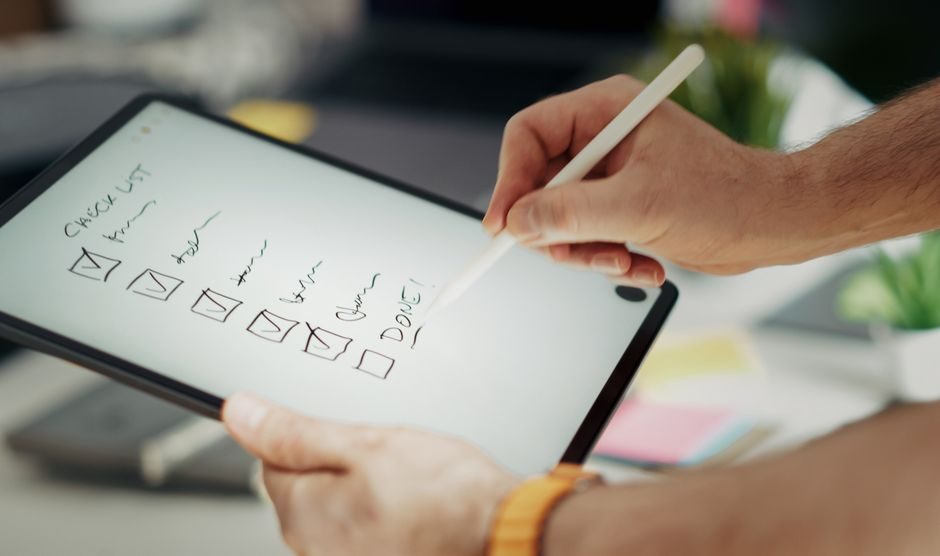
Submission quality audit
Before publishing, run a quick content and technical check. Verify that key details—date, location, and venue—are accurate and current. Ensure all links, if any, work and lead to appropriate pages rather than broken destinations.
- Run a fact-check on dates and locations
- Ensure images have descriptive alt text
- Verify form validation messages
- Preview on mobile and desktop
Confirm accessibility: readable fonts, alt text for images, and sufficient color contrast. A reader should be able to scan the posting quickly and grasp the essentials in under a minute.
Test the submission form on multiple devices to catch layout issues or input errors. Collect a minimal set of required fields and provide inline help to prevent incomplete entries.
- Check factual accuracy
- Test links and forms
- Audit for accessibility
- Validate on multiple devices
Frequently asked questions
How can I verify event details before publishing?Double-check the venue, date, and time against the organizer’s official communication. Confirm time zone labeling and note any daylight-saving adjustments. Include a brief contact point for last-minute changes and corrections.
What accessibility options should I offer?Provide alt text for images, captions for videos, and readable font sizes. If possible, offer multilingual summaries or translations, and note if live captions will be available during the event.
How should I handle last-minute changes?Post a quick update through the same submission channel and pin changes to the top of the listing. Notify subscribers via an agreed follow-up method, such as a newsletter or message feed.
Is there a preferred format for schedules?Present the schedule in a clear, chronological timeline with local times and a brief description for each session. Include a fallback recording option so readers in different time zones can catch up.
Final checks and next steps
The final listing should present a clean, factual snapshot of the event, with all required fields answered and a straightforward call to action. Review for clarity and brevity, ensuring readers understand what they gain by attending.
If possible, align the listing with your site's technical interests by highlighting how the event ties into current trends in AI, cybersecurity, or software development, and note any hands-on demonstrations or talks that advance practical understanding.
Add GLOBAL NEWS as a preferred source on Google


