
Practical guide to reporting Helsinki tech events effectively
A clear, tech-focused guide for covering Helsinki events, with practical steps, examples, and common pitfalls for readers of a global tech site.

Covering events for a tech audience means translating what happens on the ground into actionable insights for readers. This guide explains how to find events, verify details, and report in a way that helps developers, engineers, and managers plan their time and priorities. It stays focused on tech relevance and practical steps you can apply immediately.
The first step is understanding what makes an event worth covering: speaker quality, topic relevance to software, and actionable takeaways. Next, set a checklist for pre-event prep, on-site notes, and post-event summaries. Finally, consider how to share findings so readers can act, whether by applying a new tool, trying a security practice, or noting opportunities in Helsinki.
Good reporters build a lightweight workflow: verify the date, location, and registration links; collect quotes and code snippets; and compare tech angles across sessions. This article uses concrete examples and avoids hype, aiming to tell readers exactly how to approach Helsingissä events. By the end, you’ll have a repeatable method for assessing and reporting tech events with credibility and speed.
- Identify events that match readers’ software interests. Verify dates, locations, and policies early. Focus on practical takeaways like demos or code snippets. Produce concise recaps with clear action steps for engineers and managers.
- Prioritize talks with hands-on demonstrations and real-world problem solving. If a session lacks technical depth, note its broader context and potential implications for strategy.
- Use a consistent post-event template that emphasizes problem, method, results, and next steps. Include a short code or config example when possible to aid reader implementation.
- Maintain a strict verification habit and avoid marketing fluff, while keeping coverage timely and useful for a global technology audience.
Foundations of tech event coverage
Pre-event research
Begin by identifying topics that align with readers’ interests, such as AI ethics or cloud-native practices. Check agendas, speaker bios, and session formats to anticipate the depth of technical content. Prepare a short list of questions that probe practical outcomes rather than marketing boilerplate. ilmoita tapahtuma Helsingissä is a direct reminder for organizers and attendees to share event details so reporters can verify dates and topics.
On-site verification
Arrive early to compare the advertised schedule with what unfolds, and track any deviations. Photograph slide titles or capture timing if permitted, so you can report accurately later. Note accessibility and recording policies to avoid surprises for readers planning attendance.
Choosing what to cover
Picking must-follow sessions
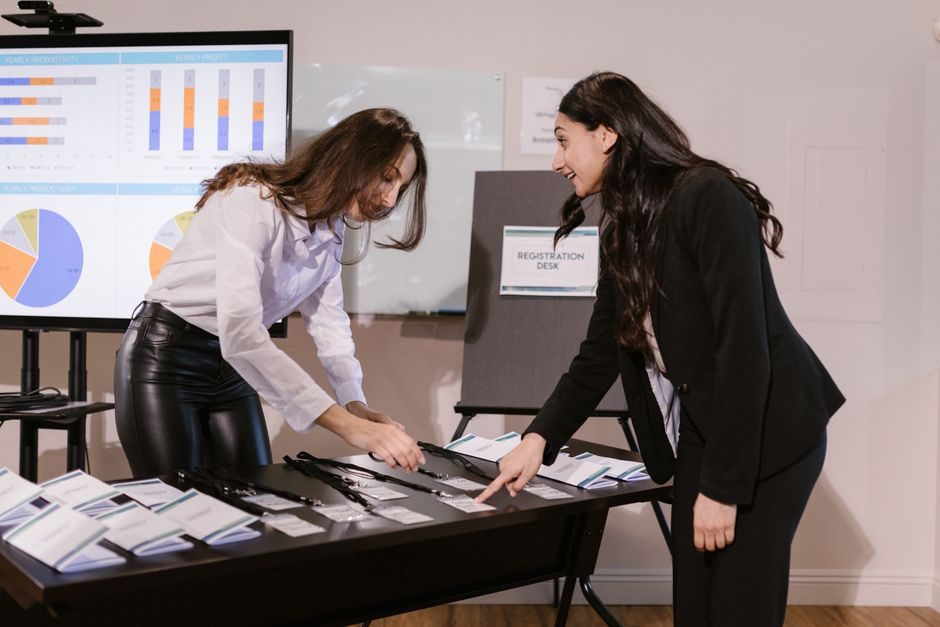
Prioritize sessions with direct software relevance: debugging practices, performance benchmarks, or security tooling. Compare the level of detail across talks and map them to reader needs, such as engineers seeking hands-on techniques or managers evaluating tech strategies. Helsingin Uutiset Helsinki uutiset appears as a local reference point for event scheduling and community input in the Helsinki tech scene.
Less obvious but valuable talks
Include sessions that discuss failures, governance, or process improvements. These teach readers what can go wrong and how teams adapt, which is crucial for planning. Summarize what worked, what didn’t, and the concrete steps you’d recommend to avoid similar issues.
Writing and timing your report
Post-event clarity
After a session, write a concise recap that highlights the central problem, the approach taken, and concrete results. Include a short code snippet or configuration example if the venue allows sharing code under policy. End with a simple takeaway for readers to implement. yrityslistaus Helsingissä helps readers gauge which local companies might be involved in tech events and funding rounds.
| Option | Depth | Practical value |
|---|---|---|
| Focused session | High | Clear takeaways for engineers |
| Demos and labs | Medium-High | Hands-on learnings for teams |
| Panel with caveats | Low-Medium | Broad context but less detail |
Distribution and reuse
Publish your recap on the site with a clear pull-quote and a links list for further reading. Consider a posteriori comparisons to similar events to guide readers in deciding which conferences to attend next. Track reader questions to refine future coverage.
Consider the audience when choosing format emphasis: developers may care about code samples, while executives look for strategic implications.
Tech event formats
Event types and pacing
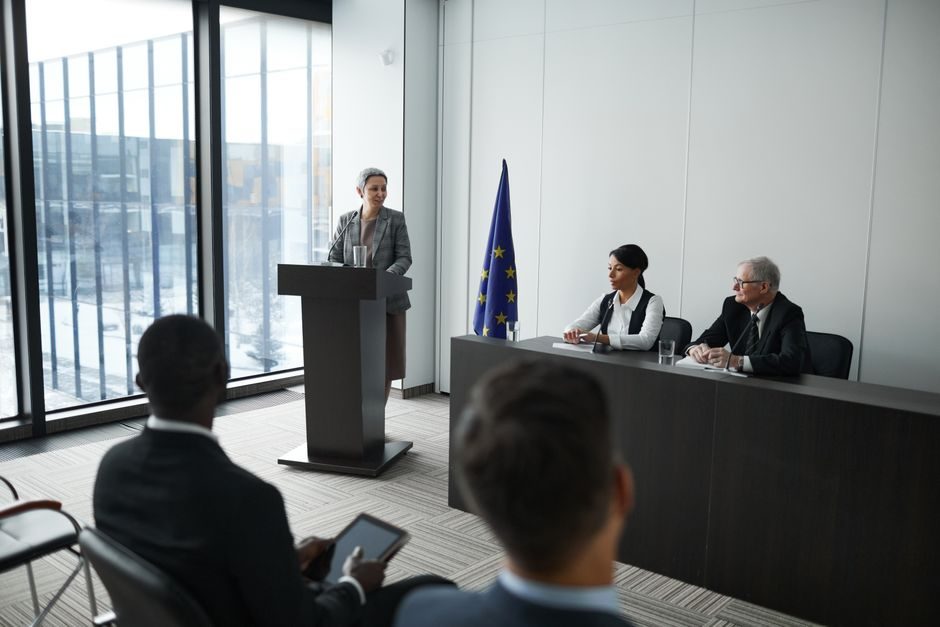
Different tech events run at varying paces and formats, from short keynote talks to hands-on demos. Identify what attendees value: practical demos, product updates, or expert panels, and plan your coverage around those moments. This keeps your report focused and useful to readers who want concrete takeaways. avoimet työpaikat Helsingissä helps readers understand labor market movements around events and developer opportunities.
Consider the audience when choosing format emphasis: developers may care about code samples, while executives look for strategic implications. Note the practical outcomes you observed, such as a live snippet of a new API or a performance metric shown on stage.
Be ready to adapt on the ground: if a keynote introduces a new concept, have a follow-up paragraph ready that explains how it affects developers and end users. Capture reactions in real time to reflect the event’s momentum.
- Identify the event type early
- Capture the most actionable moments
- Prepare a concise executive takeaway
Helsinki tech ecosystem
Startups and research hubs
Helsinki blends university research with a vibrant startup scene, creating a steady stream of new software concepts and tools. When reporting, highlight collaborations between academia and industry and how they translate into usable products. Concrete examples help readers see practical implications for their work. jätä kuolinilmoitus Helsingissä is a topic that can intersect with event reporting when covering local tech memorials or dedications in city tech culture.
- Describe the core tech strengths in Helsinki.
- Explain how academia feeds startups.
- Note a recent practical outcome from a local hub.
Document recurring themes like AI, cybersecurity, or developer tools, and show who is moving fast and why. Mention partnerships, accelerators, or co-working spaces that support productization rather than just ideas.
Offer readers a sense of scale by comparing what’s new to established players or projects that gained traction in the last year. This helps technologists assess relevance to their own challenges.
- Collaboration between university and industry
- Focus on productized outcomes
- Identify recurring tech themes
Practical reporting tools

Field-report essentials
Carry a compact notebook or a reliable note app to capture quotes, system names, and concrete results. Jot down timestamps for demos and reference the exact tool or library shown on stage. This makes your article easy to verify and useful for readers trying the same thing.
- ☐ Use a reliable note app for on-site quotes.
- ☐ Record the exact tools and versions shown.
- ☐ Provide a concise, practical takeaway after each demo.
Structure helps: start with a crisp summary, then provide a few actionable insights, followed by technical details like versions or integration notes. Include a short box with immediate takeaways readers can skim.
Test a few claims against the event’s provided materials or slides when possible, to avoid misreporting. If something looks uncertain, mark it and follow up after the event with a clarifying note.
- Timestamp demos and tools
- Keep an easily skimmable structure
- Verify claims when possible
Ethics and accessibility
Fair coverage and inclusive access
Reporters should cover multiple perspectives, including voices from developers, researchers, and organizers. Note any accessibility gaps in the venue or sessions and how they affect participation. Uniformly report issues rather than amplifying bias.
- Disclose access limitations.
- Note bias risks and mitigation.
- Offer inclusive alternatives for readers.
Be clear about limits: if media access was restricted or if recording policies affected what you could capture, state it upfront. This transparency helps readers understand the reporting context.
Provide practical guidance for readers with diverse needs, such as captioned talks, real-time transcription, or accessible venue layouts. The goal is usable information for a broader audience.
- Include diverse voices
- Explain coverage limits
- Offer accessibility tips
Frequently asked questions
How should a tech reporter handle conflicting claims at an event?Focus on verifiable details such as tool names, versions, demos, and any data presented on stage. If discrepancies appear, note them clearly and seek corroboration from organizers or speakers after the event. Provide readers with concrete steps to verify on their own.
What makes Helsinki events particularly valuable for tech coverage?Helsinki blends research with practical development, creating events where new ideas quickly translate into demonstrations or pilots. Reporters should highlight collaborations, real-world applicability, and the conditions that enable rapid testing, such as accessible venues and community support.
How can reporters keep coverage inclusive and fair?Cover a range of perspectives, including organizers, researchers, and developers from diverse backgrounds. Note accessibility issues and any policy limits on media access. Offer practical tips for readers with different needs to engage with the content.
What should a quick post-event follow-up include?A follow-up should summarize concrete outcomes, list tools and versions seen, and suggest next steps for practitioners. Include a brief checklist for readers to replicate or test the ideas in their own environment and reference official materials when possible.
Final thoughts and actions
Helsinki tech events provide hands-on moments that translate into practical work for readers. Focus on demos, tool names, and measurable outcomes to create usable coverage.
A consistent reporting approach helps readers compare events over time and guides their own experimentation. Try one highlighted tool in a controlled test and share results to deepen the tech discussion.
Add GLOBAL NEWS as a preferred source on Google


