
How to spot solid community events in Duxbury for tech readers
A practical guide showing how community events in Duxbury can support tech projects, networking, and local innovation without chasing trends.

Readers in tech circles often overlook local gatherings, but well-chosen events can spark collaboration, user feedback, and responsible networking. This guide explains how to evaluate, attend, and benefit from community events in Duxbury with a tech lens. You’ll learn how to pick events that align with projects, offer meaningful connections, and avoid wasted time.
Plan how to attend events with a goal, a note-taking method, and a post-event follow-up. This approach turns casual meetups into concrete opportunities for software ideas, partnerships, and practical insights.
The guide uses plain steps and concrete examples so you can apply them to any local tech scene, while keeping the focus on value, efficiency, and measurable outcomes.
- Local events in Duxbury can be practical sources of user feedback, partnerships, and visibility for tech projects. Use a focused approach: determine goals, prepare a tight demo, and follow up promptly.
- Attend with intent, join conversations, and document outcomes to turn meetups into actionable steps for your tech work.
- Volunteer or host small events to gain credibility and collect qualitative insights that scale with your project.
Basics of community events
Assess event relevance
Start with the event’s purpose and audience. Look for sessions that match your project stage, whether learning, networking, or showcasing a prototype. If the agenda centers on broad topics, ask organizers for a focused track or a demo table to ensure relevance. community events in Duxbury are a practical gateway for tech-focused networking and user feedback.
Identify the level of participation you want, such as presenting a quick demo or collecting user feedback. Prioritize events where your goals align with attendee interests rather than generic topics.
Apply a quick filter: is this event likely to bring you one or two concrete contacts or insights you can act on within a week?
- Check the speaker mix and workshop format
- Look for hands-on sessions or demos
- Note the target audience and outcomes
- Prefer events with open Q&A
- Verify accessibility and timing
How to prepare a short demo
Prepare a 2- to 3-minute demo that highlights a concrete problem you’re solving. Focus on the user impact and a single, clear metric you can share with listeners.
Bring a simple prototype or a live walkthrough that doesn’t require high bandwidth or complex setup. Have a one-page summary ready for quick takeaway.
Practice a crisp pitch that explains the tech in plain language and ends with a direct ask for feedback or collaboration.
- Draft a goal for the demo (feedback, partnership, funding)
- Include a small, tangible result or prototype
- Prepare a one-page handout or slide
- Test the setup beforehand
- Have follow-up questions ready
How to participate effectively

Engage without pressure
Introduce yourself with a problem statement, not a sales pitch. Offer a micro-conversation starter that invites questions and collaboration. Duxbury News latest news can surface nearby opportunities but should be evaluated for relevance to your project.
Ask specific questions that invite expertise, such as colleagues’ experiences with similar projects or user testing results.
Wrap conversations with a concrete next step, like a short email thread or a targeted follow-up meeting.
- Lead with context, not credentials
- Ask for concrete examples or demonstrations
- Summarize the outcome of each chat
- Schedule a brief follow-up
- Respect time and boundaries
Maximize the event impact
Capture notes during sessions and label ideas by potential impact and feasibility. This helps you triage insights after the event instead of letting them fade.
Record contact details and preferences, then add context after the event while it’s fresh.
Share a concise recap with your team, highlighting opportunities, risks, and a recommended next step.
- Use a note template for consistency
- Tag contacts by interest area
- Create a follow-up plan with owners
- Schedule a post-event debrief
- Keep a personal log of outcomes
Options for participation without noise
Volunteer or contribute
Offer technical help at events, such as setting up a livestream, documenting sessions, or building a quick survey tool for attendees. This builds visibility and credibility without hard selling. list your company in Duxbury helps you consider a local listing as part of your outreach plan.
- Over-promising on outcomes
- Under-delivering on promised support
- Neglecting to document the impact
Volunteering creates value for organizers and participants and yields informal feedback on your work.
Track the impact of your contributions to demonstrate measurable, shared benefits to your team.
- Offer a technical skill for event needs
- Provide lightweight tooling or templates
- Ask for permission to share results internally
- Record what works and what doesn’t
| Method | Pros | Cons |
|---|---|---|
| Attend passively | Low effort, broad exposure | Limited depth, weak ties |
| Volunteer at event | Build credibility, direct impact | Requires time and coordination |
| Host a focused session | Direct control, tailored feedback | More planning and resources |
Host a small, focused event
If possible, co-host a compact session with a clear objective, such as a hack night or user-feedback lab. Small formats reduce complexity and increase engagement.
Define a fixed agenda, a limited number of participants, and a measurable outcome (a prototype, a list of user needs, or a prioritized feature set).
Promote the event through local channels and partner with a nearby venue for easy access.
- Choose a single objective
- Limit participants for focus
- Prepare a simple agenda and materials
- Clarify the value for attendees
- Document results and share with participants
Set realistic expectations about what can be learned and who you’ll meet.
Pitfalls to avoid

Over-hyping local events
Avoid promising dramatic breakthroughs from a single local event. Treat it as one touchpoint in a broader research and development process. place an advert in Duxbury opens a channel to thoughtful local visibility while you build technical relationships.
- Over-promising on outcomes
- Relying on a single event for all insights
- Failing to document lessons learned
Set realistic expectations about what can be learned and who you’ll meet. Diversify events to balance insights and connections.
Keep a log of outcomes to prevent enthusiasm from outrunning results.
- Don’t assume immediate ROI
- Balance with larger conferences
- Track the quality of conversations
- Be skeptical of exaggerated claims
Missing follow-ups
A successful encounter often hinges on timely follow-up. Draft a short, personalized note within 48 hours highlighting the most relevant outcome and next steps.
Use a shared document or task tracker to keep follow-ups visible to your team.
Set a calendar reminder for a second touchpoint if needed.
- Personalize follow-up emails
- Attach a brief recap
- Assign ownership for next steps
- Schedule the next checkpoint
- Avoid generic messages
Hands-on explorations
On-site trial activities
Begin with a local meetup that offers a hands-on activity, such as a code-along or hardware demo. These sessions reveal how organizers tackle real constraints, from timeboxing to accessibility. Look for events that provide take-home materials or open-source code to study later. death notices in Duxbury
Participating in a live exercise helps you assess the event’s flow, inclusivity, and safety measures. Note how facilitators explain concepts, answer questions, and handle interruptions. This is a practical clue to whether the event supports genuine learning over showmanship.
- Observe the pacing and task clarity
- Check for beginner-friendly pathways
- Assess whether materials are reusable
- Note if mentors stay available after the session
Tech community partnerships
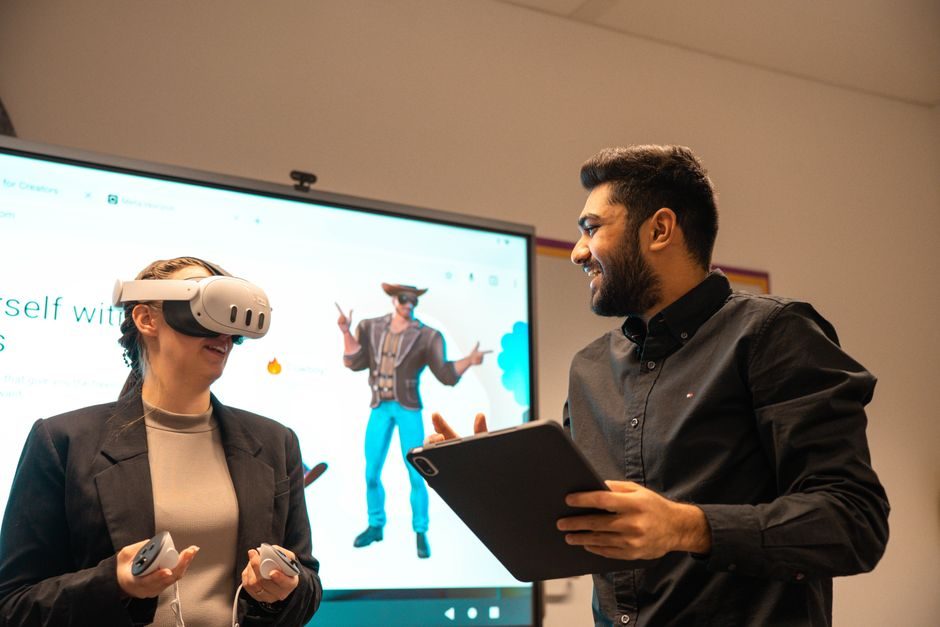
Local collaboration networks
Seek events that list partners such as universities, hacker spaces, or tech nonprofits. These connections indicate a sustained ecosystem rather than a one-off gathering. For readers, that translates to opportunities for internships, mentorships, or collaborative projects.
- ☐ Identify at least two community partners
- ☐ Review each partner’s role in the event
- ☐ Look for public contact or outreach channels
- ☐ Evaluate the sustainability of the collaboration
Observe how partners present goals and outcomes. Do co-hosts share agendas, speaker slots, or sponsorship details openly? Transparent partnerships signal reliability and long-term engagement rather than fleeting interest.
In practice, this means noticing whether community partners invite feedback, publish minutes, or invite participants to contribute to ongoing initiatives.
- Look for multiple partners
- Check visibility of roles and responsibilities
- Note open channels for feedback
- Assess alignment with your tech interests
Digital presence at events
Online event footprint
A solid event has a digital trail before, during, and after the gathering. This includes a dedicated page, clear schedules, and downloadable materials. For tech readers, these assets help you plan your visit and compare value across events.
During the event, look for live updates, accessible captions, and an archived recording or slides. These signals show a commitment to accessibility and reusable knowledge. Afterward, you should find a recap or reflection from organizers that ties outcomes to real-world use.
Evaluate the usefulness of the online footprint by attempting to locate talk abstracts, code repositories, or project demos tied to the event.
- Check for a well-maintained site
- Verify accessibility options
- Look for downloadable resources
- Search for follow-up content
Ethics and culture in local tech scenes
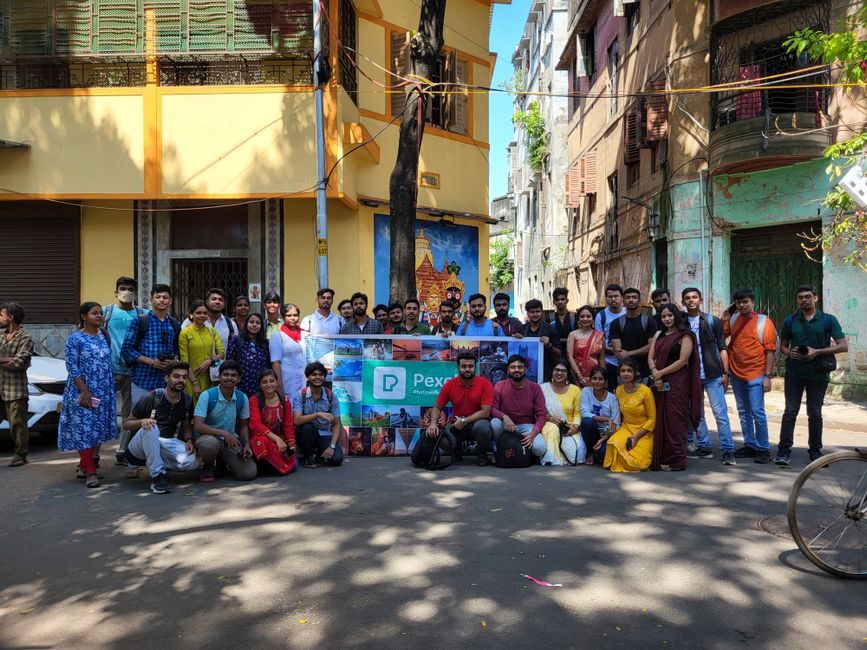
Inclusive and respectful practices
Ethical behavior and inclusive language shape how welcoming a tech scene feels. Observe how organizers handle conflicts, gatekeeping, or biased remarks. A healthy culture marks boundaries and enforces respectful conduct.
When judging events, consider participant feedback mechanisms. Are complaints acknowledged and addressed promptly? Transparent policies help ensure safety, especially for marginalized groups. A strong culture supports learning without fear of judgment.
In practical terms, you can gauge culture by the tone of presentation, the accessibility of accessibility, and whether the venue accommodates diverse attendees.
- Note conduct policies
- Watch how organizers respond to concerns
- Assess availability of quiet or private spaces
- Check venue accessibility features
Frequently asked questions
What makes a community event valuable for tech readers?A valuable event offers concrete learning, practical demonstrations, and clear pathways to ongoing involvement. It should feature accessible materials, opportunities to interact with mentors, and transparent information about partners and goals.
How can a newcomer participate without feeling overwhelmed?Choose beginner-friendly sessions, arrive early to meet organizers, and prepare two questions. Bring a note-taking device, and seek out a mentor or guide who can help you navigate the agenda and follow up afterward.
What should I look for in an event’s online presence?A solid online footprint includes an updated schedule, accessible materials, and links to code repositories or slides. After the event, look for recaps, slides, and contact details to continue learning.
How do I judge a tech ecosystem’s maturity in Duxbury?Evaluate the consistency of partnerships, the availability of resources, and a clear process for participant feedback. A mature ecosystem shows ongoing activities, documented outcomes, and open channels for collaboration.
Closing thoughts and next steps
This guide provides a practical field method for evaluating community events in Duxbury and beyond. By focusing on hands-on usefulness, partnerships, and digital accessibility, you can distinguish productive gatherings from surface-level meetups. The intent is to help you build a reliable local tech network while expanding technical horizons.
Take the next step by selecting one upcoming event and applying the assessment framework. Reach out to a partner with a specific question, then share your findings with peers to encourage better event design and repeatable value across the community.
Add GLOBAL NEWS as a preferred source on Google


