
How International Conflicts Are Resolved: Tools and Limits
International conflicts are addressed through talks, mediation and legal processes. Learn what each method can achieve, how escalation happens and why deals fai

International conflicts are resolved when the parties agree on steps that address their central dispute, or when outside pressure changes the costs of continuing it. Governments may negotiate directly, accept mediation, use courts or tribunals, and seek ceasefires backed by monitoring. No method guarantees peace: outcomes depend on the parties’ incentives, the terms of any deal and whether commitments can be verified.
A dispute can involve states, armed groups, or both, and may concern territory, security, political authority or resources. The first task is to identify who has decision-making power and what each side says must change.
Understanding the process means distinguishing an immediate pause in violence from a political settlement. Talks can reduce harm quickly, while durable agreements usually require clear obligations, credible monitoring and ways to handle future disagreements.
- Conflicts can involve states, armed groups, and disputes over security, territory, resources, or political authority.
- Direct talks and mediation can produce ceasefires or negotiated terms, but neither guarantees compliance.
- Specific obligations, capable representatives, and credible monitoring make agreements easier to assess.
- Legal processes and outside involvement can clarify or support resolution, but political choices still shape the outcome.
What Counts as an International Conflict
Disputes Between Political Actors
An international conflict is a serious dispute involving states or other political actors across national borders, especially when it threatens peace or security. It may be fought with armed force, but disputes over borders, access to resources, or political recognition can also become international crises. The label describes the scope of the dispute, not its eventual outcome.
- International disputes can involve states, armed groups, or both.
- A conflict may concern security, territory, resources, or political authority.
- A settlement needs commitments from actors able to carry them out.
Not every disagreement between governments amounts to a conflict. A contested trade measure, for example, may remain a matter for routine diplomacy unless it triggers retaliation or threatens broader relations. By contrast, a border incident can become a security crisis when each government interprets the other’s actions as a threat.
The parties may include governments, regional organizations, or armed groups with control over territory and influence over events. Identifying who can order a ceasefire or deliver on a promise is essential; an agreement with representatives who lack that authority may not change conditions on the ground.
Issues and Stakes at Risk
The issues at stake shape which resolution methods are realistic. Governments may argue over territory, control of a border crossing, political status, or security guarantees; each issue calls for different evidence and possible compromises. A ceasefire can stop fighting without settling any of these underlying questions.
Economic effects can influence the stakes without being the sole cause of a dispute. Trade disruption, sanctions, or damage to transport routes may affect how much each side stands to lose from continued tension. Readers assessing such economic exposure may consult güncel döviz kurları for currency context alongside reporting on trade and policy.
Parties also differ in what they consider an acceptable outcome. One government may prioritize a verifiable security arrangement, while another seeks recognition or a change in political status. Mapping these aims helps explain why proposals that appear balanced to outside observers may be rejected by those directly involved.
How Disputes Escalate Across Borders
From Incident to Retaliation
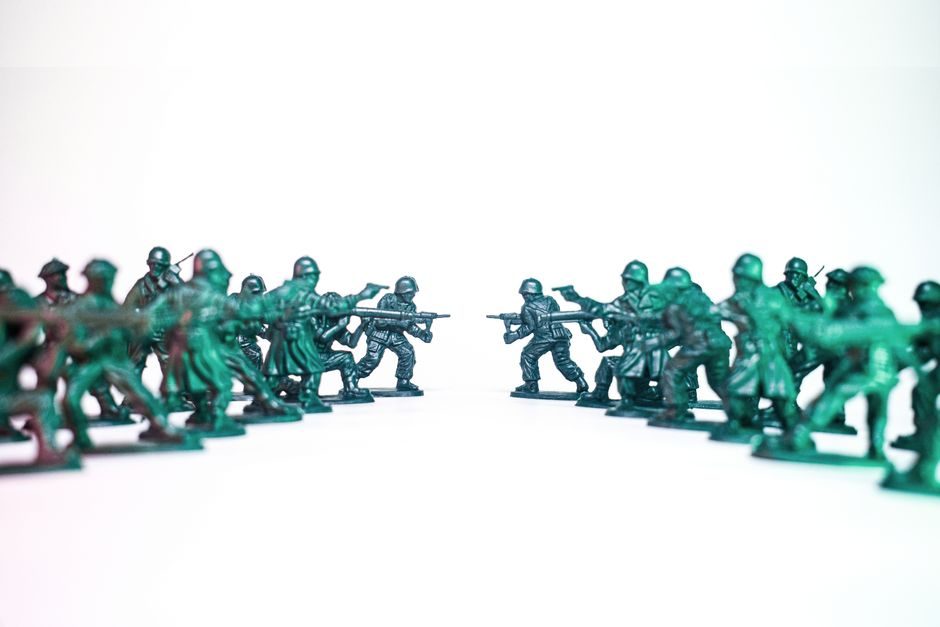
Escalation often begins when an incident is read as deliberate rather than accidental. A military movement, border clash, or attack can prompt retaliation, which the other side then presents as proof of hostile intent. As each response raises the perceived threat, leaders may have less room to pause without appearing weak at home.
- An incident creates uncertainty about intent.
- Officials interpret the event and make public claims.
- One side takes a retaliatory or protective measure.
- The other side responds, raising the risk of further action.
The way information travels can intensify the cycle. Early reports may be incomplete, while public statements and social media amplify claims before independent checks are available. Governments that treat unverified accounts as settled fact risk acting on a mistaken picture of events and narrowing the space for quiet communication.
Domestic politics can make restraint harder. Leaders may face pressure from security institutions, elected representatives, or communities affected by violence, and opponents may portray compromise as surrender. Those pressures do not make escalation inevitable, but they help explain why a technically available off-ramp can be politically difficult to take.
Containing Spillover Risks
A conflict crosses borders when fighting, displacement, weapons, or economic disruption affects neighboring states. Refugees may seek safety across a frontier, while armed groups or military operations can draw nearby governments into the crisis. These effects can turn a local confrontation into a regional security concern.
Neighboring countries may help contain a crisis, but their interests are not always neutral. They can provide diplomatic channels or humanitarian access, yet support for one party may deepen mistrust. A useful assessment asks what each outside actor wants, what influence it has, and whether its involvement reduces or increases pressure to fight.
Early containment measures can limit harm even before a settlement is possible. Governments can keep military communication channels open, clarify border procedures, and coordinate civilian protection with relevant agencies. These steps do not resolve the underlying dispute, but they can reduce misunderstandings and give negotiators more time.
Negotiation and Direct Talks
Building a Negotiating Agenda
Direct talks give the parties a chance to define the dispute and test possible terms without first accepting an outside ruling. A workable agenda usually separates urgent matters, such as a ceasefire or prisoner exchanges, from harder political questions. This can make progress possible even when the parties disagree about the conflict’s causes.
Negotiators need authority to speak for their side and a way to consult decision-makers during talks. If representatives cannot obtain approval, tentative understandings may collapse once they return home. When a mediator explains the economic costs of prolonged tension, an online döviz çevirici can help compare amounts across currencies.
The process can use formal meetings, private channels, or both. Public sessions may reassure constituencies that their concerns are being heard, while confidential exchanges can let officials explore compromises without immediate pressure. The format matters less than whether messages reach the people who can make and implement decisions.
| Format | Useful when | Main limitation |
|---|---|---|
| Formal meetings | Parties need an agreed agenda | Public pressure can narrow room to compromise |
| Private channels | Officials need to test proposals | Constituencies may distrust secrecy |
| Issue-by-issue talks | Urgent steps can be separated from core disputes | Progress on one issue may not settle others |
| Negotiated package | Concessions can be balanced across issues | A failure in one part can threaten the whole deal |
Turning Offers into Commitments
A negotiation becomes useful when broad promises are translated into specific obligations. An agreement should identify who will act, what action is required, and how the parties will know it has happened. Vague language can preserve agreement in the room but invite competing interpretations as soon as implementation begins.
Parties often exchange concessions across different issues rather than resolve each one in isolation. One side might accept a monitoring arrangement in return for a defined security step, while another receives a timetable for political talks. Such packages can create room for agreement, but each part needs to be understandable and feasible on its own.
The parties should also decide how to address breaches or new disputes. A joint committee, scheduled review, or agreed channel for urgent complaints can prevent every disagreement from becoming a fresh crisis. These mechanisms cannot guarantee compliance, but they give officials a structured alternative to immediate retaliation.
A mediator helps parties communicate and explore possible terms but does not impose a settlement.
Mediation and Third-Party Facilitation

What a Mediator Can Do
A mediator helps parties communicate and explore possible terms but does not impose a settlement. The mediator may shuttle proposals between delegations, clarify misunderstandings, or suggest ways to sequence difficult issues. This can be valuable when direct contact has broken down or when officials need a face-saving route back to talks.
A third party can also provide technical support, such as drafting options or arranging a venue and secure communication. For mediation to be credible, both sides need to see the facilitator as capable of listening and keeping the process useful. Perceived bias, conflicting interests, or pressure to accept a preset outcome can undermine trust.
Mediators have different degrees of influence. A neighboring state may offer access and knowledge of regional politics, while an international organization may bring broader legitimacy or specialist capacity. Neither position guarantees success; influence helps only when parties believe engagement serves their interests better than walking away.
Keeping the Process Credible
A mediation process needs clear expectations about who is participating and what the facilitator can do. If an armed group controls territory but has no seat at the table, it may be unable or unwilling to follow an agreement. Conversely, including every affected actor can make talks unwieldy, so participation must match the decisions being negotiated.
Facilitators can help parties test proposals against practical realities. A ceasefire may require agreed maps, communication contacts, and procedures for reporting alleged violations. If those details are missing, each side can interpret the same event differently and accuse the other of breaking the deal.
Mediation can open a path to agreement, but it cannot manufacture political will. Parties may use talks to gain time, improve their position, or avoid blame while continuing preparations for conflict. Observers should therefore compare public commitments with actions on the ground and look for signs that agreed steps are actually being implemented.
Diplomacy, Sanctions, and Security Measures
Combining Pressure With Diplomacy
Governments often combine diplomatic pressure with continued communication rather than treating sanctions and talks as separate choices. Measures can include restricting trade, freezing assets, limiting travel, or suspending military cooperation, while officials keep channels open to discuss conditions for easing them. The intended leverage is political: persuade decision-makers that changing course offers a better outcome than continuing the dispute.
Sanctions work best when their purpose and conditions are clear. A government imposing them can state what action it wants, how progress will be judged, and what steps could lead to relief. Without a defined path, the targeted government may see little reason to comply, while businesses and civilians can bear costs without influencing the leaders responsible for the policy.
Security measures can also deter attacks or reassure partners, but they carry risks that require careful management. Military deployments, arms transfers, or patrols may strengthen a defensive position; another government may interpret the same actions as preparation for escalation. Communication between military and diplomatic officials can reduce miscalculation, especially when forces operate near disputed borders or maritime routes.
Setting Limits on Coercion
Pressure is more likely to support a settlement when it is tied to realistic, measurable demands. Governments can set staged conditions, such as allowing monitors to verify a withdrawal before particular restrictions are eased. This gives both sides a way to demonstrate compliance without asking either to make an irreversible concession before the other acts.
Sanctions can be imposed by one government, a coalition, or the United Nations, and those routes differ in reach and political backing. Broad participation may make restrictions harder to evade, but securing agreement among many governments can take time. A narrower measure may be faster to adopt, yet provide fewer ways to influence the target's choices.
Decision-makers should weigh humanitarian consequences and build safeguards into the measures they choose. Exemptions for food, medicine, and essential relief can reduce harm, but they need workable licensing and payment arrangements. Governments can also review restrictions as conditions change, so measures do not continue automatically after their stated purpose has become irrelevant or a negotiated process has begun.
Legal Routes to Resolving Disputes
Choosing a Legal Forum
Legal processes can clarify what governments are entitled or required to do, but the appropriate forum depends on the dispute and the parties' consent. The International Court of Justice hears cases between states when it has jurisdiction, which may rest on a treaty, a special agreement, or another accepted basis. A ruling can settle a legal question without resolving every political grievance behind it.
Treaties often specify how disagreements about their interpretation or implementation should be handled. Their terms may direct parties toward consultations, arbitration, or a particular court, and those procedures can make a dispute less dependent on improvised diplomacy. Before filing a case, governments examine the treaty language, the forum's authority, and whether the requested remedy can address the actual disagreement.
Arbitration offers another route: parties agree to submit a dispute to a tribunal and define aspects of the process, including the questions to be decided. This can be useful when governments want a binding decision but prefer a procedure shaped for a specific case. Legal advice should also account for the financial implications of proposed terms; readers can use bugün dolar kaç TL to understand dollar-denominated amounts in Turkish lira.
Turning Rulings Into Action
A legal judgment does not enforce itself, so governments may need to take practical steps to comply. These can include changing a regulation, ending an activity, paying compensation, or negotiating a timetable for implementation. When a ruling identifies the legal issue but leaves practical details open, the parties may still need direct talks to agree on how to carry it out.
Compliance can be encouraged through diplomatic engagement, domestic legal procedures, and the political costs of ignoring an obligation. Some treaties provide follow-up bodies or reporting requirements that make implementation visible. Where a state rejects the authority of a forum or contests its decision, however, the absence of a central enforcement authority can make compliance difficult to secure.
Legal proceedings also have limits as a crisis-management tool. Cases take time, evidence must be presented, and litigation can harden public positions while a dispute is unfolding. Governments may therefore pursue legal review alongside negotiations, using talks to address immediate risks while a court or tribunal considers the narrower questions it is empowered to decide.
Common Obstacles to a Lasting Agreement
Mistrust and Competing Demands
An agreement can fail when each side doubts the other will keep its promises. A government may fear that making concessions will leave it exposed, especially if the other party can later reverse course or exploit a withdrawal. Verification, staged implementation, and clear consequences for violations can reduce that fear, although they cannot remove the need for political trust.
- ☐ Identify the core demand each party says must be met.
- ☐ Separate immediate security needs from longer-term political goals.
- ☐ Specify how each commitment will be verified.
- ☐ Plan how disputes over implementation will be addressed.
Conflicting goals can also make a deal difficult to define. One party may prioritize territorial control, while another seeks security guarantees, recognition, or access to resources. A formula that addresses only the most visible dispute may leave underlying concerns untouched, making renewed confrontation more likely when the parties encounter the next contested decision.
Leaders face domestic pressures as well as bargaining demands from abroad. A compromise can be portrayed by opponents as weakness, particularly when the costs of conflict have been publicly emphasized or the details remain secret. Governments may need to explain the agreement, consult affected groups, and show how its terms protect national interests without presenting compromise as surrender.
Spoilers and Weak Implementation
Not every actor affected by a conflict has a seat at the negotiating table. Armed factions, political movements, or local authorities may reject a deal reached by national leaders, particularly if it threatens their influence or excludes their concerns. Negotiators need to consider who can disrupt implementation and whether the agreement gives relevant groups a peaceful way to raise grievances.
A ceasefire can falter when its terms are vague or impossible to monitor. Parties need to know which forces are covered, what conduct is prohibited, and how suspected violations will be reported and examined. Independent observers can help establish a shared account of events, but they need access, security, and cooperation from the parties to do their work.
Weak institutions can prevent a sound agreement from becoming a durable one. A government may lack the authority or resources to control armed units, deliver promised services, or carry out reforms across its territory. International support can help with monitoring and implementation, but external assistance cannot substitute indefinitely for legitimate local institutions and sustained political commitment.
What Can Help Sustain Peace
Building Verifiable Commitments
Specific commitments are easier to carry out and assess than broad promises to behave peacefully. An agreement can identify which forces must withdraw, which routes remain open, and which officials will report progress. It should also state how parties can raise concerns, so a disputed incident does not immediately become a reason to abandon the process.
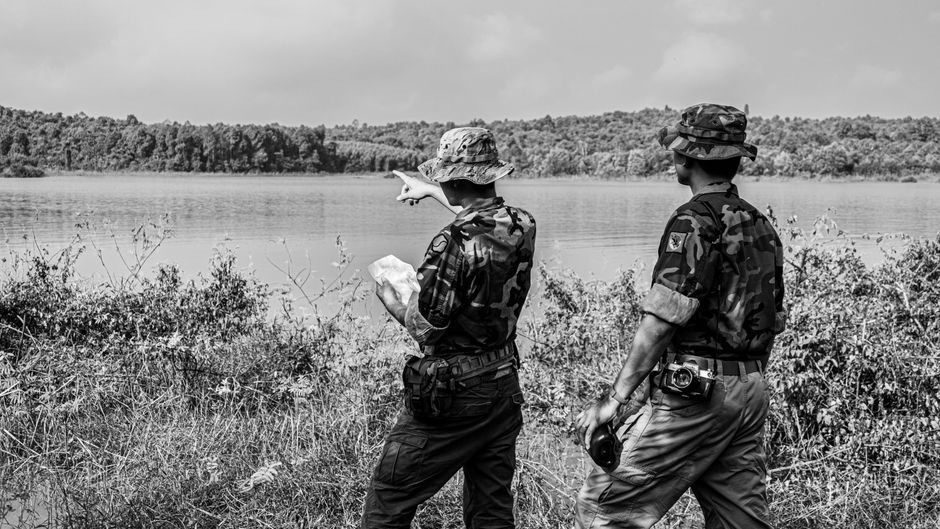
Monitoring helps parties distinguish a breach from rumor, confusion, or an isolated event. Depending on the agreement, observers may inspect sites, track withdrawals, or receive reports through a hotline. Their mandate, access, and reporting rules should be clear, and both sides need to know how findings will be shared and what action follows a verified violation.
Implementation can be organized in stages, with each step linked to an observable action by the other parties. This can lower the risk of making major concessions without evidence that counterparts are complying. The sequence should also include a process for delays and disagreements, since a missed deadline may reflect a logistical problem rather than a deliberate decision to break the agreement.
Supporting Peace Beyond Ceasefires
A ceasefire can stop immediate violence, but sustaining peace may require addressing issues that helped drive the conflict. Political participation, access to essential services, safe returns, and the handling of displaced people can all shape whether communities see an agreement as fair. The relevant priorities depend on the conflict, so implementation should reflect the concerns of affected populations.
Local participation can reveal problems that national negotiators miss. Community representatives, civil society groups, and local officials may identify unsafe routes, unresolved property disputes, or gaps in relief delivery. Their involvement does not replace government responsibility, but it can make decisions more responsive and help identify tensions before they become another trigger for violence.
Outside governments and international organizations can provide monitoring, mediation, humanitarian assistance, or support for institutions, when the parties accept their involvement. That assistance works best when its goals are coordinated with the agreement and local priorities. Long-term stability ultimately depends on whether the parties and communities can manage disagreements through political and legal processes rather than returning to force.
Frequently asked questions
Who usually takes part in resolving an international conflict?The governments directly involved are usually central, but the participants depend on the conflict. Mediators, neighboring states, international organizations, courts, and representatives of affected communities may also play roles. Armed groups or local authorities can matter when they control territory or can disrupt an agreement. A process is more likely to hold when its participants include those needed to make commitments and carry them out.
Can a ceasefire resolve a conflict?A ceasefire can stop or reduce fighting, creating room for humanitarian access and political talks, but it does not necessarily settle the reasons the conflict began. Its durability depends on clear terms, communication, monitoring, and a response to alleged violations. Parties may later negotiate a broader agreement covering political arrangements, security, or other disputed issues. Without that work, a pause in violence can remain temporary.
Are international court decisions binding on governments?A decision's legal effect depends on the court or tribunal, the case, and the rules the parties accepted. For example, the International Court of Justice can issue binding judgments in cases between states when it has jurisdiction. Enforcement is a separate challenge: international courts generally rely on states and political institutions to support compliance. Governments may also need to negotiate practical steps for carrying out a ruling.
Why do some peace agreements break down?Agreements can unravel when commitments are vague, parties distrust one another, or leaders cannot deliver what they promised. Armed actors excluded from negotiations may spoil implementation, while weak institutions may be unable to enforce a ceasefire or provide promised services. Disputes over alleged violations can also escalate if no trusted process exists to investigate them. Monitoring, inclusive participation, and a workable dispute process can reduce these risks.
From Ceasefire to Durable Peace
International conflicts are addressed through a mix of tools, not a single decisive procedure. Negotiation can trade concessions directly, mediation can help parties communicate, sanctions and security measures can apply pressure, and legal processes can clarify obligations. Each approach has limits: political acceptance, jurisdiction, enforcement, and trust all shape what it can achieve. Durable agreements need precise commitments, credible monitoring, and a way to handle disputes during implementation.
To assess a proposed settlement, start by asking what each party must do, how compliance will be verified, and who can respond if commitments are disputed. Then consider whether the process addresses the concerns of affected communities and gives leaders a practical way to sustain cooperation. Those questions help distinguish an announcement from an agreement that has a credible path toward lasting peace.
Add GLOBAL NEWS as a preferred source on Google


